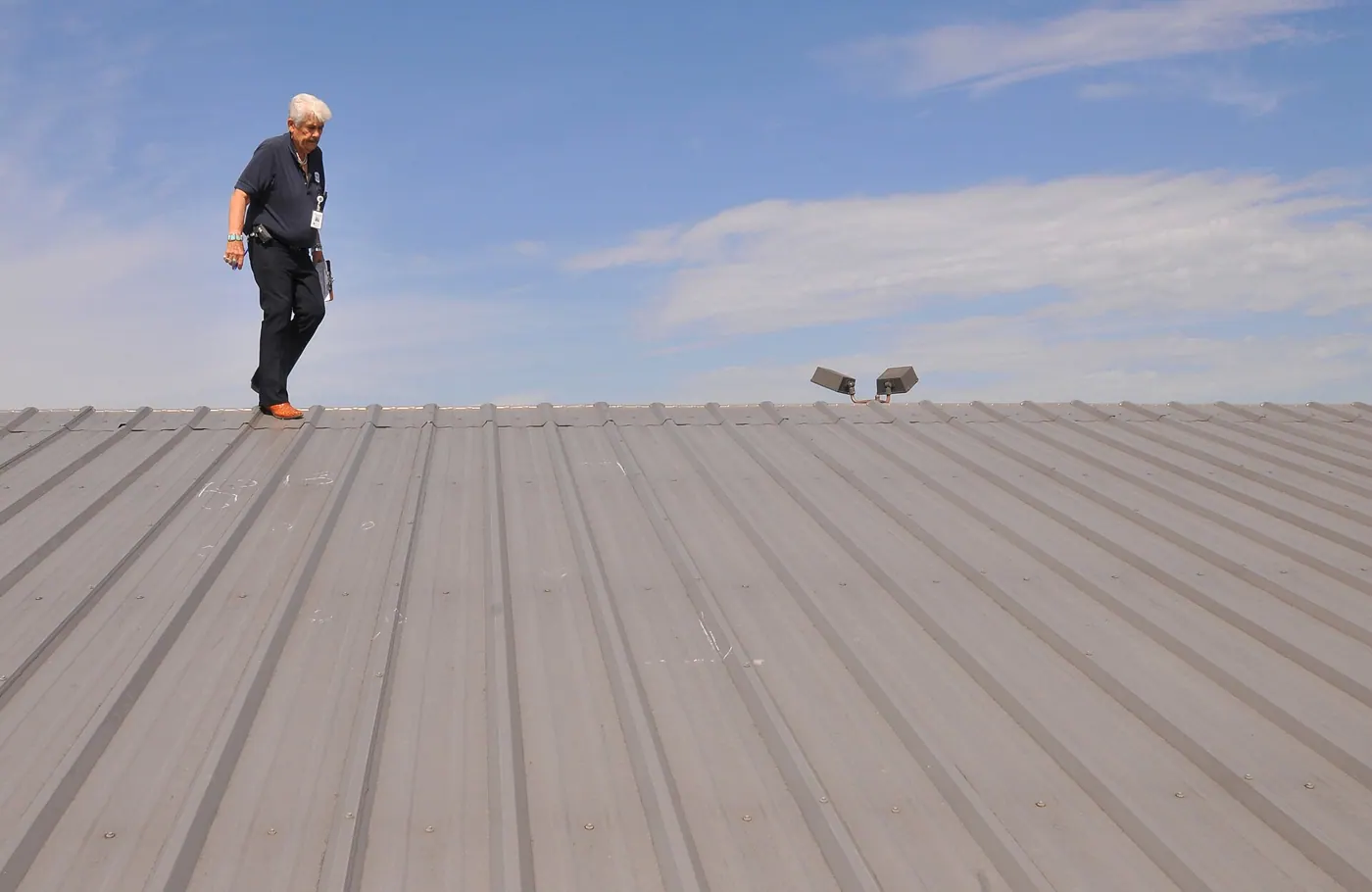
People ask for inspections at three common times: after a storm, before buying or selling, and once a year as basic upkeep. Condo boards and landlords also use them to plan budgets and to back up an insurance claim. A good report tells you what is wrong, how urgent it is, and what can wait.
If water is already coming through a ceiling, do not wait for a routine visit. Say so when you call, and ask about our emergency roof repair and tarping help. Stay off wet roofs and let the pro do the climbing.
What is included in a roof inspection?
A full inspection covers the roof surface, every edge and seam, all penetrations, the drainage system and the attic or top-floor ceilings below. The pro looks for damage that is easy to miss from the street. Most of the time, the goal is to find small problems before they turn into leaks.
Ask the provider what their inspection covers and whether the report includes photos, notes and repair recommendations. Scope can vary from one provider to the next, so confirm it before the visit.
- Roof surface: shingles, membrane, seams, blisters, cracks and worn areas
- Flashing: step flashing, counterflashing, chimney flashing and parapet wall edges
- Drainage: roof drains, scuppers, gutters and downspouts, plus any ponding water
- Penetrations: vent pipe boots, HVAC curbs, exhaust fans, skylights and antennas
- Interior check: attic, ceiling water stains, damp insulation and signs of mold from roof leaks
- Written roof inspection report with dated photos and a priority list
When should you get a roof inspection in Fort Lee?
Get one at least once a year, and again after any major storm, a sale or purchase, or a first sign of a leak. Fort Lee roofs take a beating from nor'easters, summer thunderstorms and repeated freeze-thaw cycles. Spring and fall are good times because the weather is milder and the pro can see the damage left by winter or summer.
After a storm or high wind
Wind uplift can lift shingles, bend edge metal and loosen rooftop equipment. The cliff-top setting and tall buildings can funnel gusts in ways that surprise owners. A post-storm report with photos also helps if you file a homeowners insurance claim.
Before you buy or sell
A roof inspection report gives a buyer or seller a clear picture of the roof's condition. It can reveal hidden flashing or drainage problems before they become a negotiation fight. Sellers often use one to fix small items first.
Once a year, or after winter
Freeze-thaw cycles open seams, sealant joints and membrane splits. A yearly visit catches that wear early. Pitched roofs should also be checked for ice dam damage if the attic is cold or poorly vented.
Dealing with this in Fort Lee right now? Call and get connected with an independent local pro.
Get Help Now: (201) 298-8093How does a roof inspection work step by step?
The pro starts by asking what you have noticed, then works from the outside in. You do not need to be on the roof. Here is the usual order of a visit, though each provider has their own process.
- Talk through the history: past leaks, repairs, roof age and any stains you have seen
- Check the roof from the ground and, where safe, walk the surface or use a drone or ladder
- Look closely at flashing, seams, penetrations and edges, where most leaks begin
- Check drains, scuppers, gutters and downspouts for clogs and ponding water
- Inspect the attic or top-floor ceiling for stains, damp decking and weak ventilation
- Take photos and notes, then write up the findings with repair priorities
What do inspectors look for on flat roofs?
On a flat or low-slope roof, the biggest warning signs are ponding water, open seams and failed flashing. Many Fort Lee condos, co-ops and mid-rise rentals have these roofs. Common systems include TPO membrane, EPDM rubber roofing, modified bitumen and built-up roof (BUR).
The pro checks around each HVAC curb, vent and exhaust fan, since every roof penetration is a possible leak point. Parapet walls and counterflashing get special attention, because a small gap there can send water into units below. Clogged roof drains and scuppers are also a leading cause, and the report should note them.
If the findings point to a leak, see our guide to flat roof repair in Fort Lee. For a roof near the end of its life, the report can help you weigh repair against roof replacement.
What do inspectors look for on pitched roofs?
On a pitched roof, the pro looks for worn or lifted asphalt shingles, damaged underlayment, bad flashing and signs of ice dams. This matters in Coytesville and on the western side of town, where older single-family and two-family homes are common. Architectural shingles last longer than basic ones, but they still wear from sun, wind and cold.
Step flashing along walls and chimney flashing are frequent trouble spots. So are cracked vent pipe boots, which dry out and split over time. In the attic, the pro checks roof decking (sheathing), attic insulation and attic ventilation. Poor insulation and airflow help ice dams form, and that can push water under shingles.
Missing ice and water shield near the eaves is another thing a good inspector may note. If you already have missing or curling shingles, read about shingle roof repair to see how those fixes go.
What does a roof inspection report look like?
A roof inspection report is a written summary of what the pro found, with dated photos and recommended next steps. A useful one is clear enough for a non-roofer to follow. It should separate urgent items from ones that can wait.
Look for a roof description, a list of problem areas, photo labels showing where each issue is, and a priority ranking. Some reports include repair notes or a rough plan for upkeep. We do not list prices here; ask the provider whether the report includes an estimate or a separate quote.
Keep the report. It can support an insurance claim, a sale, a condo board vote or a warranty conversation later.
How do condo boards and landlords use inspections?
Boards and property managers use inspections to plan repairs, schedule maintenance and keep records. Work on multi-unit buildings usually needs board or management approval, so a clear report speeds up that process. It also helps explain to owners why a repair is needed.
Fort Lee's older mid-rise and garden-apartment buildings need steady roof upkeep. A small leak at a penetration or parapet can reach ceilings and units below. Regular inspections give the board a way to catch these early and spread out the work.
Tell the provider about access. High-rise roofs, tight lots and street parking can change how staging and hoisting work. If your building sits on Palisade Avenue, our page on the Palisade Avenue corridor covers what those roofs often need.
What local factors affect a roof inspection in Fort Lee?
Local weather, building type and access shape every inspection here. Fort Lee has hot, humid summers and cold winters, with nor'easters and tropical remnants bringing wind-driven rain. Freeze-thaw cycles then open up flashing seams and membrane splits.
Dense blocks and steep streets near the Palisades also matter. Runoff and drainage need extra attention, and tight access can limit where a ladder, lift or drone can go. Permits for larger repairs go through the Fort Lee Building Department under the NJ Uniform Construction Code, so ask the provider what applies if the report leads to bigger work.
We also serve nearby areas such as Edgewater, Cliffside Park and Englewood Cliffs. If you are near the river, our page on Edgewater roofing help covers what buildings there often need.
How do you choose an inspection provider?
Choose someone who is clear about scope, gives you a written report and answers questions plainly. We connect you with independent providers and cannot verify their credentials for you. Ask each one directly.
In New Jersey, contractors who do home improvement work must be registered. You can check registration through the NJ Division of Consumer Affairs, and ask for the New Jersey Home Improvement Contractor registration number. Also ask about insurance and any licenses that apply.
Be careful of anyone who pushes for a full replacement before showing you photos. A solid inspection explains the evidence first. If something looks off, get a second opinion.
- Ask what the inspection covers and how long it takes
- Ask whether the report includes photos and priorities
- Ask about registration, licensing and insurance, and confirm it yourself
- Ask who does the repair work if problems are found
- Get any repair quote in writing
What can you do while waiting for the inspection?
Keep the roof area safe and note what you see. Never climb a wet, icy or steep roof. From the ground or inside, you can gather helpful details for the pro.
Take photos of ceiling water stains, peeling paint and any dripping. Write down when it happens, such as during heavy rain or after snow melts. Clear nearby gutters from the ground only if you can do it safely, and move belongings away from any damp spots.
If you see a bulging ceiling, active dripping or mold from a roof leak, tell the dispatcher. Those are not routine inspection cases. Our roof leak repair page explains how a pro traces and stops active leaks.
Need inspection and repair help in one call?
Yes. Call the number on this page and tell us what you need. Callers for inspections are connected through the same line as repair callers, so you do not need a separate number.
If you want to see the full range of help, visit our Fort Lee roof repair referral line home page. You can also read about the neighborhoods we cover on our service areas page.
Frequently asked questions
How long does a roof inspection take in Fort Lee?
Most home inspections take about an hour, though larger buildings take longer. Flat roofs with many penetrations and drains may need more time. Ask the provider for an estimate when you book.
Will I get a written report with photos?
Ask for it when you call. The service is designed around a written report with dated photos, but each independent provider sets their own format. Confirm what you will receive before the visit.
Does a roof inspection help with a homeowners insurance claim?
It can. A dated report with photos documents storm damage and its location. Your insurer makes the final call on coverage, so contact them and ask what they require.
Do I need to be home during the inspection?
Not always. The pro may need access to the attic or top-floor units, so someone should be available for that. For condos and rentals, coordinate with the board, manager or tenants.
Is an inspection worth it if I see no leaks?
Yes. Leaks often start small, with worn flashing, cracked seals or clogged drains. A yearly check can catch them before water gets inside.
Can the same pro fix problems found in the inspection?
Sometimes, but not always. Ask the provider whether they also do repairs. The same number can connect you with a repair pro if you need one.